
 Drum It Original
About the drummer
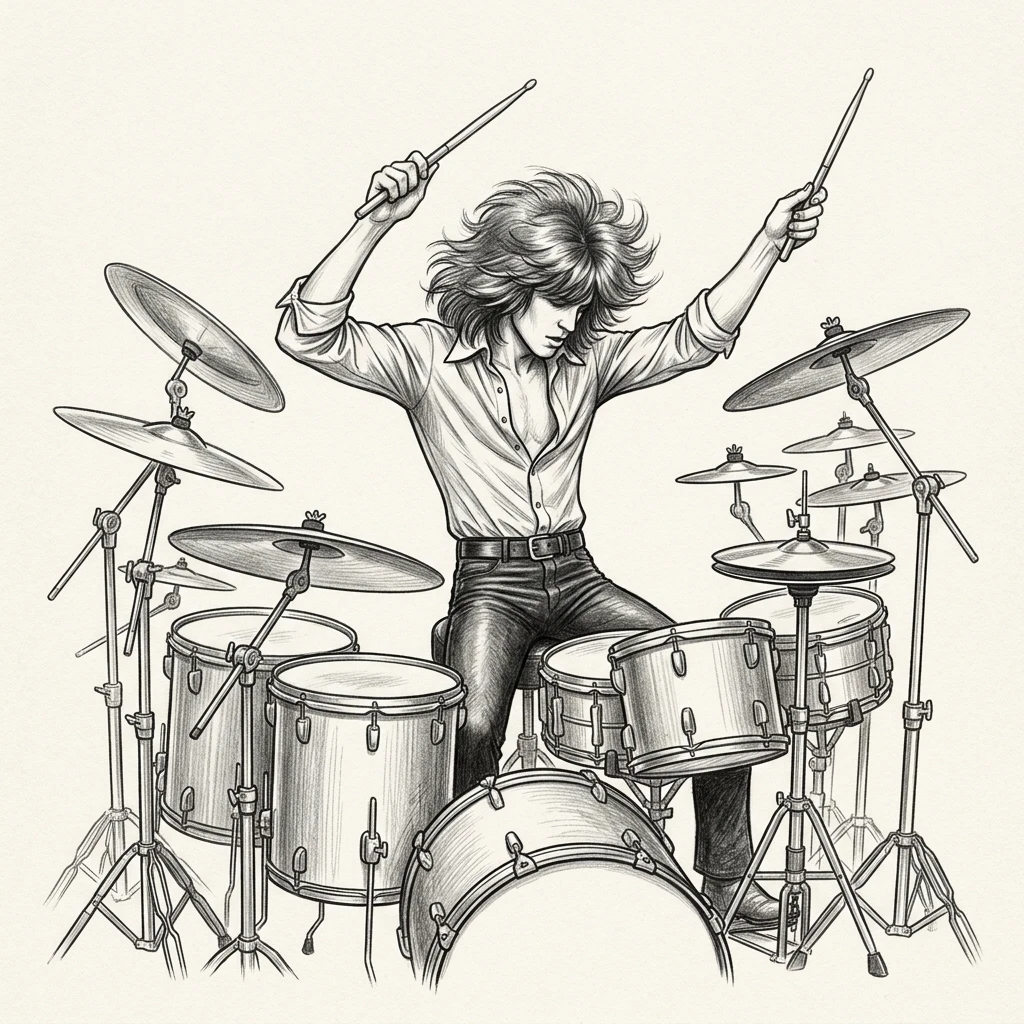
Roger Taylor is an English drummer, songwriter, and multi-instrumentalist best known as the founding drummer for the legendary rock band Queen. Renowned for his stadium-filling sound, distinct hi-hat accents, and explosive tom fills, Taylor provided the powerful rhythmic foundation that backed Freddie Mercury’s iconic vocals. Beyond his drumming, his high-register backing vocals and prolific songwriting contributed significantly to Queen’s signature theatrical sound. His expressive, song-first approach to drumming influenced generations of rock and pop drummers worldwide.
Drum It Original
Drum It Simplified
 Drum It Original
Drum It Simplified
 Drum It Original
Drum It Simplified
 Drum It Original
Drum It Simplified
 Drum It Original
Drum It Simplified
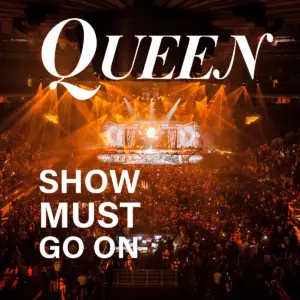 Drum It Original
Drum It Simplified
 Drum It Original
Drum It Simplified
Drumming style
Roger Taylor’s drumming style combines raw hard-rock power with polished pop sensibilities and theatrical dynamics. A defining element of his sound is his signature hi-hat accenting, often called hi-hat barks, where he briefly opens the hi-hat on the backbeat alongside the snare shot to create an aggressive, wide sonic splash. He frequently uses heavy flams across large concert toms, giving his fills a thunderous, dramatic weight. Taylor excels at creating simple, memorable grooves that serve the song, while seamlessly adapting to Queen’s diverse genre explorations—ranging from heavy metal and progressive rock to disco, synth-pop, and rockabilly.
Opening the hi-hat sharply on beats two and four simultaneously with the snare drum, accentuating the backbeat with a wide acoustic burst.
Utilizing two-handed flams across large rack and floor toms to deliver dramatic, spacious transitions during song climaxes.
Executing steady bass drum patterns on every beat to ground high-energy tracks and stadium rock anthems.
Maintaining rock-solid timekeeping and complex grooves while singing high falsetto backing harmonies simultaneously.
Incorporating drum machines, electronic pads, and acoustic percussion within 1980s pop and rock track arrangements.
Practice room
Learn to give your grooves extra bite by accenting backbeats with open hi-hat sounds. Study Taylor's sharp accenting technique on hard-rock tracks. Actionable suggestion: Practice a standard eighth-note groove while opening the hi-hat pedal on beat four for one eighth note.
Learn how to elevate a track's transition points using spacious tom fills. Study how Taylor leaves room for vocal melodies before dropping heavy fill accents. Actionable suggestion: Practice replacing rapid single-stroke roll fills with simple, powerful two-note tom flams.
Learn to tailor your volume and pattern complexity to support the lead singer. Study how Taylor simplifies his pattern during verses and expands during choruses. Actionable suggestion: Play along to a song verse using only hi-hat, snare, and kick, adding cymbals only when entering the chorus.
Learn to maintain consistent tempo and limb independence while singing. Study Taylor's live performances where he sings harmonies over driving beats. Actionable suggestion: Practice counting out loud or singing simple pitch scales while playing a basic quarter-note kick and backbeat snare pattern.
Iconic tracks
Features a dramatic drum entrance leading into a driving hard-rock section filled with heavy crash accents and rapid fills. Studying this part helps drummers learn how to control dynamic builds and execute high-impact section transitions.
Features an impeccably tight, steady disco-rock groove focused entirely on space and quarter-note bass drum precision. Studying this part helps drummers develop locked-in micro-timing and restraint.
Features Taylor's signature aggressive hi-hat barks, heavy snare backbeats, and anthem-style fills. Studying this part helps drummers master classic stadium-rock groove feel and backbeat accents.
Features an innovative mix of electronic drum machine pulses integrated with live acoustic cymbals and powerful acoustic drum fills. Studying this part teaches drummers how to combine electronic rhythm tracks with acoustic drumming.
Features dynamic tempo shifts, aggressive ride cymbal patterns, and heavy blues-rock fills. Studying this part helps drummers master driving uptempo rock grooves and shifting song dynamics.
The story
Roger Meddows Taylor was born in King's Lynn, Norfolk, England, in 1949. Raised in Truro, Cornwall, he initially played ukulele and guitar before teaching himself to play drums. In 1968, while studying dentistry in London, Taylor joined the rock band Smile alongside guitarist Brian May. When lead singer Tim Staffell left in 1970, Taylor and May joined vocalist Freddie Mercury and later bassist John Deacon to form Queen.
Throughout Queen's career, Taylor was a vital creative force, contributing iconic songs such as 'Radio Ga Ga', 'A Kind of Magic', and 'I'm in Love with My Car'. Known for singing high harmonies while maintaining a heavy rock groove, he also established a successful solo career starting with his 1981 debut album Fun in Space, and formed the rock band The Cross in 1987. Taylor was inducted into the Rock and Roll Hall of Fame as a member of Queen in 2001.
Drummer Tube is an independent educational platform and is not affiliated with, endorsed by, or sponsored by Roger Taylor, Queen, Smile or any related artists. All artist names, song titles and trademarks belong to their respective owners and are used for identification and educational purposes only.